
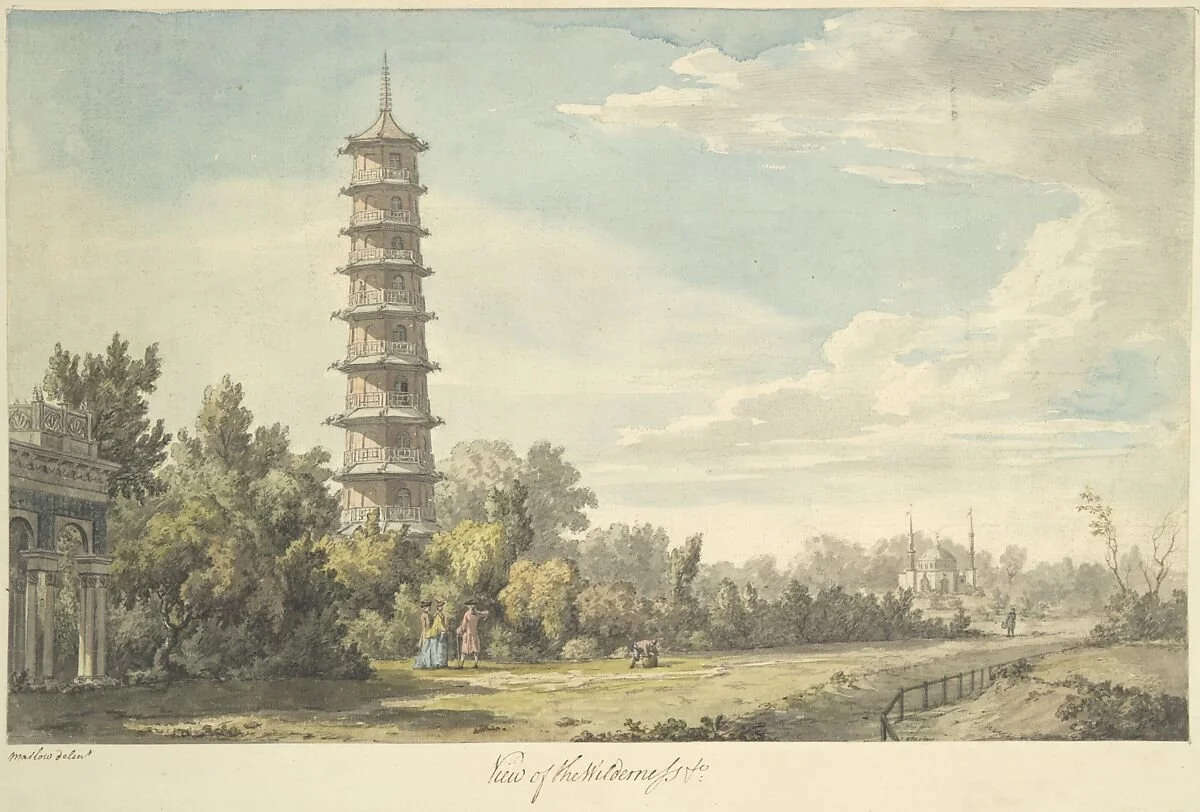
In eighteenth century Britain, wild, botanical landscapes became more popular than the more traditional and carefully manicured gardens of early modern Europe. Many historians attribute part of this change to the global proliferation of Empire - as more plant specimens were "discovered" and collected in newly colonized lands, they could be shipped back to Europe, and vice versa. Colonial gardens could showcase the astonishing reach of Empire through flora.
But these ostensibly British gardens were shaped by many workers of varying origins, social statuses, and motives. Dr. Williams will discuss the "Texture of Empire": how increasingly global botanical gardens had a local impact on their enslaved and free workers and colonized populations. How might the knowledge these workers gained from gardening have changed their lives, or challenged the scientific status quo?
Our annual spring garden lecture was established in 2021 in order to celebrate the upcoming growing season with a dose of botanical history. We’ve explored everything from gentleman farmers, to pollinators, to the life-saving gardens of frontier soldiers in the Seven Years’ War.
This event will be held on Zoom.
Registration is $12 for General Admission, $10 for Shirley-Eustis House Members, and $3 for Card to Culture qualifying attendees.
Contact us at programs@shirleyeustishouse.org or (617)-442-2275 with questions.
About our speaker:
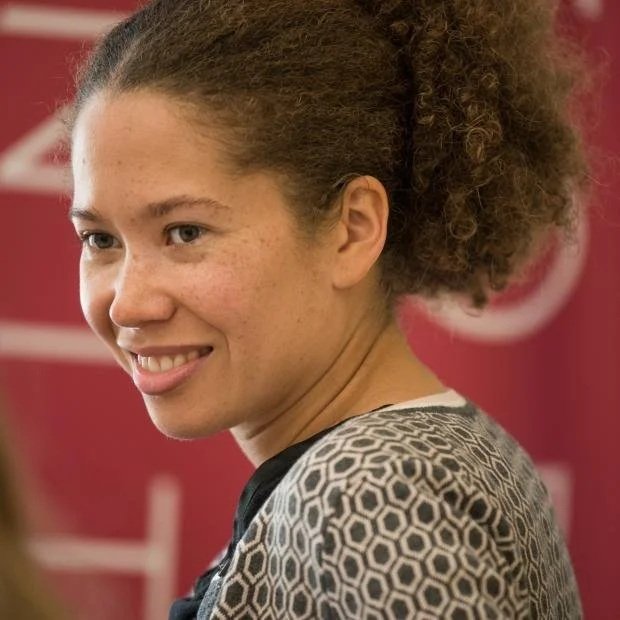
J’Nese Williams works on the history of modern Britain, science, and empire. She received a PhD in history from Vanderbilt University and a BA in history from Princeton University. Williams has continued her research as an Andrew W. Mellon Fellow at the Humanities Institute of the New York Botanical Garden, a Residential Fellow at the Linda Hall Library, and a Fellow at the Stanford Humanities Center. She is currently an Assistant Professor at Wake Forest University.